UK Brief
Commuter bicycle light trend 2026: 10 bicycle-light models compared

By Clara HayesLast updated 2026-07-11
Some price links may be affiliate links.
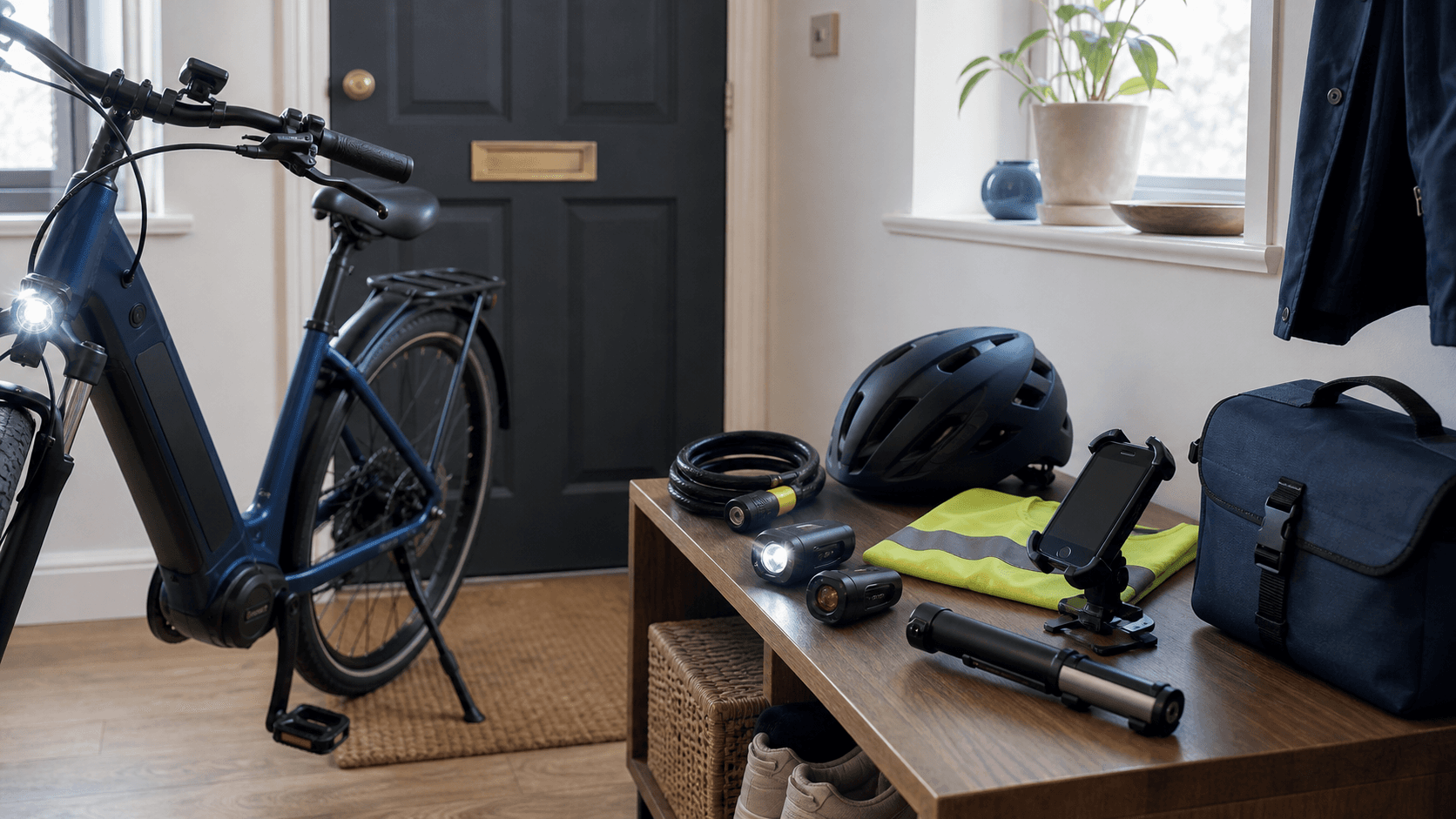
Wet winter commutes need a controlled bicycle beam
A UK commuter light must make the rider visible and illuminate darker sections without dazzling people ahead. Rain, long winter darkness, handlebar clutter, round-trip runtime, a secure mount, and current road-lighting requirements matter more than the largest lumen figure.
Urban traffic
Side visibility and a well-aimed beam help at junctions where a narrow forward spotlight can be missed.
Unlit lanes
Use sustained output with a useful road pattern and enough battery for the complete ride, not only a short boost mode.
Rain and removal
Check the published weather rating, port cover, quick-release security, and whether the light is easy to remove at the destination.
Check current UK bicycle-light requirements and Highway Code guidance; exact model pages provide mode output, runtime, charging, mount, weight, and ingress protection.
Check points
Local UK cycle shopBest for checking beam shape, handlebar compatibility, local rules, spare brackets, and straightforward returns.
UK cycling retailerUseful for comparing sustained output, weather sealing, delivery, paired light sets, and local warranty support.
Official UK brand storeConfirm the exact mode table, charge time, mount, replacement parts, warranty, and road-use claims.
Quick brief
Use the shortlist to separate supported-city riding, mixed routes, and sustained unlit-road use.
Best balanced high-output model
CATEYE AMPP900
Regular unlit-road commuters who want useful output without moving to the heaviest AMPP body.
Best everyday city balance
CATEYE AMPP500S
Urban commuters who mix lit streets with darker connecting roads and value a lighter body.
Best long dark-road balance
CATEYE AMPP1300
Commuters with sustained unlit sections who need more beam reserve and a useful 300-lumen fallback.
Best lower-output USB-C choice
CATEYE AMPP400S
Lit-road commuters who want USB-C charging, a light body, and more runtime than AMPP500S on high.
Best high-output road option
CATEYE AMPP1700
Riders who need brief high-output sections and can use 400 lumens for most of the commute.
Best maximum-output model
CATEYE AMPP2200
Riders who need the brightest AMPP option for short dark sections plus a long emergency Enduro mode.
Best light city commuter
CATEYE AMPP200 II
Short rides on well-lit streets where visibility, low weight, and simple removal matter most.
Best legacy compact reference
CATEYE AMPP200
Buyers who prioritize longer use away from a fixed power outlet and need CATEYE's USB-C connectivity.
Best older dual-LED reference
CATEYE AMPP1100
Riders who already own compatible cables and find the older high-output model at a clearly lower price.
Best be-seen backup light
CATEYE AMPP100
Daytime and well-lit urban riders who want a small backup or secondary visibility light.
Owner complaints that matter
Look for brackets that slip, ports that are hard to seal, batteries that fade in cold weather, confusing mode controls, rattling bodies, and replacement mounts that are difficult to source.
Compare the 10 headlights
The table keeps intended route, output and runtime clues, charging, weight, bracket fit, and the first purchase check together.
1. CATEYE AMPP900
Specs / fit
USB-C / 900 lm maximum output / about 2 hours at 900 lm
Check first
900-lumen high mode is main + Two-hour high runtime
2. CATEYE AMPP500S
Specs / fit
USB-C / 500 lm maximum output / about 1.5 hours at 500 lm
Check first
Light 106 g body is main advantage + Short high-mode runtime
3. CATEYE AMPP1300
Specs / fit
USB-C / 1300 lm maximum output / about 2 hours at 1300 lm
Check first
1300-lumen high mode is main + Heavier than city
4. CATEYE AMPP400S
Specs / fit
USB-C / 400 lm maximum output / about 2 hours at 400 lm
Check first
USB-C charging is main advantage + Limited unlit-road
5. CATEYE AMPP1700
Specs / fit
USB-C / 1700 lm maximum output / about 1.25 hours at 1700 lm
Check first
1700-lumen peak output is + Short boost runtime
6. CATEYE AMPP2200
Specs / fit
USB-C / 2200 lm maximum output / about 1 hour at 2200 lm
Check first
2200-lumen peak is main advantage + One-hour maximum mode
7. CATEYE AMPP200 II
Specs / fit
USB-C / 200 lm maximum output / about 3 hours at 200 lm
Check first
Very light is main advantage + Only 200 lumens works
8. CATEYE AMPP200
Specs / fit
USB-C / 200 lm maximum output / about 1.5 hours at 200 lm
Check first
Light 62 g body is main advantage + Short high runtime
9. CATEYE AMPP1100
Specs / fit
1100 lm maximum output / about 1.5 hours at 1100 lm / Micro-USB charging
Check first
1100-lumen output is main + Micro-USB charging
10. CATEYE AMPP100
Specs / fit
100 lm maximum output / about 3.5 hours at 100 lm / Micro-USB charging
Check first
Light 62 g body is main advantage + Only 100 lumens works
The product notes explain where each beam and battery balance works best and which mounting compromise can rule it out.
Product notes
Best balanced high-output model
1. CATEYE AMPP900
Regular unlit-road commuters who want useful output without moving to the heaviest AMPP body.
Purchase information
Retail route
CATEYE international model page
Specifications
- Specs / fit
- 900 lm maximum output · about 2 hours at 900 lm · USB-C charging
Check first
900-lumen high mode is the main advantage; check whether Two-hour high runtime works for your use.
Buyer notes
900-lumen high mode is the reason to shortlist it; Two-hour high runtime is the reason to compare another pick.
Editor's verdict
This product balances a 900-lumen high mode, a five-hour 200-lumen low mode, USB-C charging, and moderate weight.
Reasons to buy
- 900-lumen high mode
- USB-C charging
- Moderate weight for the output
Reasons to avoid
- Two-hour high runtime
- No integrated power-bank function
- Bracket fit must be checked
Best everyday city balance
2. CATEYE AMPP500S
Urban commuters who mix lit streets with darker connecting roads and value a lighter body.
Purchase information
Retail route
CATEYE international model page
Specifications
- Specs / fit
- 500 lm maximum output · about 1.5 hours at 500 lm · USB-C charging
Check first
Light 106 g body is the main advantage; check whether Short high-mode runtime works for your use.
Buyer notes
Light 106 g body is the reason to shortlist it; Short high-mode runtime is the reason to compare another pick.
Editor's verdict
This product keeps the body near 106 g while offering a practical 500-lumen high mode and an eight-hour low mode.
Reasons to buy
- Light 106 g body
- USB-C charging
- Eight-hour low mode
Reasons to avoid
- Short high-mode runtime
- Less dark-road reach than AMPP900
- No helmet mount included
Best long dark-road balance
3. CATEYE AMPP1300
Commuters with sustained unlit sections who need more beam reserve and a useful 300-lumen fallback.
Purchase information
Retail route
CATEYE international model page
Specifications
- Specs / fit
- 1300 lm maximum output · about 2 hours at 1300 lm · USB-C charging
Check first
1300-lumen high mode is the main advantage; check whether Heavier than city models works for your use.
Buyer notes
1300-lumen high mode is the reason to shortlist it; Heavier than city models is the reason to compare another pick.
Editor's verdict
This product pairs a two-hour 1300-lumen mode with roughly 7.5 hours at 300 lumens for flexible outbound and return settings.
Reasons to buy
- 1300-lumen high mode
- Long 300-lumen runtime
- USB-C charging
Reasons to avoid
- Heavier than city models
- Requires careful beam aiming
- Large body uses more bar space
Best lower-output USB-C choice
4. CATEYE AMPP400S
Lit-road commuters who want USB-C charging, a light body, and more runtime than AMPP500S on high.
Purchase information
Retail route
CATEYE international model page
Specifications
- Specs / fit
- 400 lm maximum output · about 2 hours at 400 lm · USB-C charging
Check first
USB-C charging is the main advantage; check whether Limited unlit-road reserve works for your use.
Buyer notes
USB-C charging is the reason to shortlist it; Limited unlit-road reserve is the reason to compare another pick.
Editor's verdict
This product uses the same light 106 g format while trading peak output for a two-hour high-mode runtime.
Reasons to buy
- USB-C charging
- Light 106 g body
- Two-hour high mode
Reasons to avoid
- Limited unlit-road reserve
- Compact beam coverage
- No spare bracket included
Best high-output road option
5. CATEYE AMPP1700
Riders who need brief high-output sections and can use 400 lumens for most of the commute.
Purchase information
Retail route
CATEYE international model page
Specifications
- Specs / fit
- 1700 lm maximum output · about 1.25 hours at 1700 lm · USB-C charging
Check first
1700-lumen peak output is the main advantage; check whether Short boost runtime works for your use.
Buyer notes
1700-lumen peak output is the reason to shortlist it; Short boost runtime is the reason to compare another pick.
Editor's verdict
This product adds substantial peak output while retaining a five-hour 400-lumen mode for the majority of a ride.
Reasons to buy
- 1700-lumen peak output
- Five-hour 400-lumen mode
- USB-C charging
Reasons to avoid
- Short boost runtime
- Heavy body
- Beam angle needs care
Best maximum-output model
6. CATEYE AMPP2200
Riders who need the brightest AMPP option for short dark sections plus a long emergency Enduro mode.
Purchase information
Retail route
CATEYE international model page
Specifications
- Specs / fit
- 2200 lm maximum output · about 1 hour at 2200 lm · USB-C charging
Check first
2200-lumen peak is the main advantage; check whether One-hour maximum mode works for your use.
Buyer notes
2200-lumen peak is the reason to shortlist it; One-hour maximum mode is the reason to compare another pick.
Editor's verdict
This product offers the strongest peak output in this comparison and a 12-hour 200-lumen Enduro setting.
Reasons to buy
- 2200-lumen peak
- Long Enduro mode
- USB-C charging
Reasons to avoid
- One-hour maximum mode
- Heavy for city use
- Easy to over-aim
Best light city commuter
7. CATEYE AMPP200 II
Short rides on well-lit streets where visibility, low weight, and simple removal matter most.
Purchase information
Retail route
CATEYE international model page
Specifications
- Specs / fit
- 200 lm maximum output · about 3 hours at 200 lm · USB-C charging
Check first
Very light is the main advantage; check whether Only 200 lumens works for your use.
Buyer notes
Very light is the reason to shortlist it; Only 200 lumens is the reason to compare another pick.
Editor's verdict
This product combines a 62 g body, three-hour high mode, USB-C charging, and a quick rubber-band bracket.
Reasons to buy
- Very light
- USB-C charging
- Three-hour high mode
Reasons to avoid
- Only 200 lumens
- Rubber mount can move
- Not for dark rural roads
Best legacy compact reference
8. CATEYE AMPP200
Buyers who prioritize longer use away from a fixed power outlet and need CATEYE's USB-C connectivity.
Purchase information
Retail route
CATEYE international model page
Specifications
- Specs / fit
- 200 lm maximum output · about 1.5 hours at 200 lm · USB-C charging
Check first
Light 62 g body is the main advantage; check whether Short high runtime works for your use.
Buyer notes
Light 62 g body is the reason to shortlist it; Short high runtime is the reason to compare another pick.
Editor's verdict
This product remains compact and USB-C rechargeable, but its high-mode runtime makes the newer II version easier to recommend.
Reasons to buy
- Light 62 g body
- USB-C charging
- Simple quick-release mount
Reasons to avoid
- Short high runtime
- Superseded by this product II
- Limited dark-road use
Best older dual-LED reference
9. CATEYE AMPP1100
Riders who already own compatible cables and find the older high-output model at a clearly lower price.
Purchase information
Retail route
CATEYE international model page
Specifications
- Specs / fit
- 1100 lm maximum output · about 1.5 hours at 1100 lm · Micro-USB charging
Check first
1100-lumen output is the main advantage; check whether Micro-USB charging works for your use.
Buyer notes
1100-lumen output is the reason to shortlist it; Micro-USB charging is the reason to compare another pick.
Editor's verdict
This product still provides useful dual-LED output and a 4.5-hour 400-lumen mode, but its charging port dates the design.
Reasons to buy
- 1100-lumen output
- Useful 400-lumen mode
- Dual-LED design
Reasons to avoid
- Micro-USB charging
- Heavy body
- Short high runtime
Best be-seen backup light
10. CATEYE AMPP100
Daytime and well-lit urban riders who want a small backup or secondary visibility light.
Purchase information
Retail route
CATEYE international model page
Specifications
- Specs / fit
- 100 lm maximum output · about 3.5 hours at 100 lm · Micro-USB charging
Check first
Light 62 g body is the main advantage; check whether Only 100 lumens works for your use.
Buyer notes
Light 62 g body is the reason to shortlist it; Only 100 lumens is the reason to compare another pick.
Editor's verdict
This product is light and simple, with long flashing runtime for visibility, but it is not a dark-road headlight.
Reasons to buy
- Light 62 g body
- Long flashing runtime
- Simple secondary light
Reasons to avoid
- Only 100 lumens
- Micro-USB charging
- Not suitable for unlit roads
Top 3 picks
#1 Best balanced high-output model - CATEYE AMPP900
This product balances a 900-lumen high mode, a five-hour 200-lumen low mode, USB-C charging, and moderate weight.
#2 Best everyday city balance - CATEYE AMPP500S
This product keeps the body near 106 g while offering a practical 500-lumen high mode and an eight-hour low mode.
#3 Best long dark-road balance - CATEYE AMPP1300
This product pairs a two-hour 1300-lumen mode with roughly 7.5 hours at 300 lumens for flexible outbound and return settings.
Final thoughts
Use the lowest mode that safely covers the darkest part of the ride and leaves a reserve for the way home.
A controlled beam and stable bracket are usually more valuable around traffic than a short-lived boost mode.
Confirm the exact mount and charging cable, then aim the lamp on the real bicycle before the first night ride.
What to check before buying
Aiming a round beam too high
An uncontrolled bright spot can dazzle other road users and still leave the near road poorly lit.
Reading boost as normal runtime
Temporary maximum modes do not describe the output available through a full winter commute.
Ignoring wet charging ports
Close the cover before riding and let the light dry before connecting a cable.
Relying on one detachable light
Loss, theft, a flat battery, or a broken bracket can end the ride; carry a compact backup.
Runtime and beam control
Compare the setting that produces a usable beam, its stated duration, and how easily the lamp can be aimed below eye level. Peak output alone does not describe the ride.
Before you buy
- Identify the darkest road or path section and the speed used there.
- Add outbound and return time with a battery margin for delays and ageing.
- Check beam pattern, mode runtimes, charging port, charge indication, and weather sealing.
- Measure handlebar diameter and space around cables, bags, bells, and displays.
- Confirm the exact model, included bracket, local warranty, and spare-mount availability.
Editor's comment
A compact visibility light helps other road users see you on supported streets. Faster riding or unlit surfaces need a stronger, well-aimed beam that reveals the road ahead.
FAQ
+How many lumens does a commuter light need?
There is no single number. Road lighting, speed, beam shape, weather, and mounting height determine whether the usable setting is adequate.
+Should I use maximum output for the whole ride?
Usually not. Boost modes drain quickly and can create glare. Use the lowest setting that safely covers the route.
+Why does beam shape matter?
A controlled beam puts more light on the road and less into other people's eyes, improving useful visibility without relying only on raw output.
+What should I check about the mount?
Confirm handlebar diameter, available space, adjustment range, release mechanism, spare availability, and whether the lamp stays aimed over rough surfaces.
About the author

Clara Hayes
Personal Mobility Editor
Clara Hayes covers Personal Mobility for TrendBrief. The focus is rider fit, battery, brakes, and local-use rules, the differences that shape everyday fit and use.
See all Briefs by Clara Hayes