Australia Brief
Rechargeable camping lantern trend 2026: 10 exact models compared

By Mia WalkerLast updated 2026-07-10
Some price links may be affiliate links.
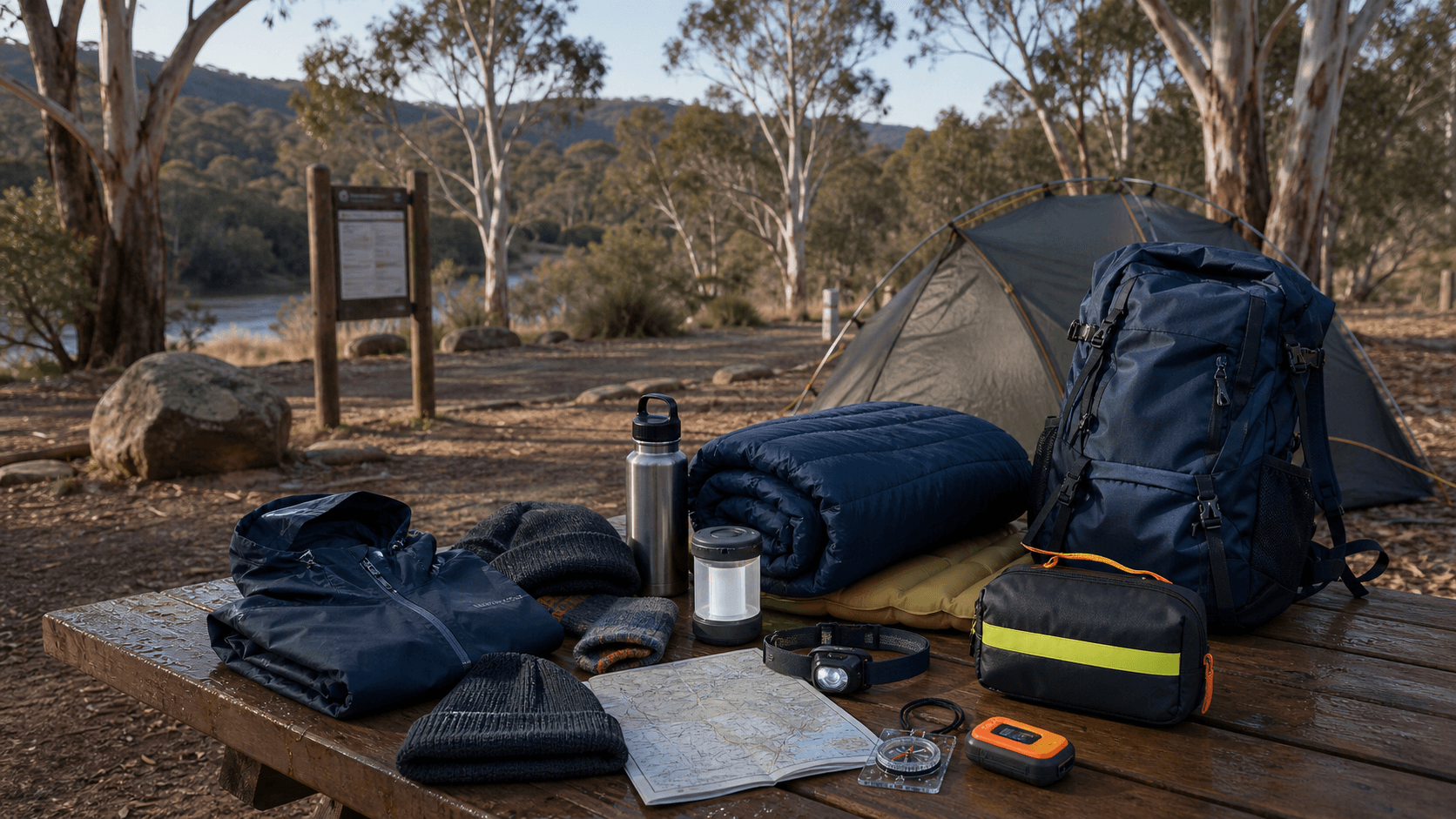
Cold nights expose weak lantern batteries
Winter camping shifts the lantern decision away from decorative light. Longer darkness, wet ground, cold batteries, and limited charging access make low-mode runtime, protected ports, pack weight, and a dependable charging plan more important than a short burst of maximum output.
Inside the tent
A compact diffused lantern should hang securely, dim low enough for bedtime, and avoid controls that are difficult to use with cold hands.
Around the vehicle
Car camping can justify a larger battery and wider beam for cooking or setup, provided the lantern can be charged from the vehicle without draining the starter battery.
Away from mains power
Carry enough stored energy for the whole trip. Solar panels are slow in short winter daylight and should be treated as a top-up, not the only plan.
Use current park and weather advice for the destination; exact-model pages provide the output, runtime, charging, ingress protection, battery, and weight figures compared here.
Check points
Australian outdoor retailerBest for local warranty support, practical size comparison, and returns that do not require shipping a lithium battery overseas.
Official Australian distributorUseful for confirming the exact battery, included charging lead, replacement parts, and warranty territory.
Cross-border sellerCompare final landed cost, battery shipping, plug or cable bundle, warranty coverage, and the return carrier before importing.
Quick brief
Start with how far the lantern must be carried and where it will recharge during the trip.
Best compact solar backup
Goal Zero Crush Light
Travellers and emergency-kit owners who want a very light lantern that packs nearly flat.
Best collapsible high-output lantern
NEBO Galileo Air 1000
Car campers who want strong short-term area light in a body that collapses for storage.
Best tiny dual-power tent lantern
UCO Sprout LED Lantern
Backpackers and small-tent users who want a very light lantern with rechargeable and AAA power options.
Best warm-light weather resistance
Ledlenser ML6 Warm Light
Campers who prefer warm light and need better dust and rain protection than splash-rated lanterns offer.
Best replaceable-battery option
Nitecore LR60
Users who already own compatible protected 18650 cells and want replaceable batteries.
Best compact high-runtime lantern
Fenix CL26R Pro
Campers who want a compact lantern with strong output, long low-mode runtime, and USB-C charging.
Best large-site work light
Claymore 3FACE NEO 30
Large car-camping pitches, cooking areas, and group sites that need broad directional light.
Best hanging ambience lantern
Barebones Beacon Hanging Light
Covered awnings, cabins, and dry-weather camps where warm hanging light matters more than maximum output.
Best soft tent and table light
Snow Peak Rechargeable Hozuki
Tent and table users who want soft diffused light and modern USB-C charging.
Best pack-flat solar lantern
LuminAID PackLite Titan 2-in-1
Travel, emergency kits, and camps where flat packing and solar top-ups matter.
Cold-weather details buyers notice later
Look for reports about dim controls, stiff port covers, unstable bases, proprietary cables, abrupt battery indicators, and whether the low setting is genuinely comfortable inside a tent. These details matter more after several dark evenings than extra colour modes.
Quick comparison table
The table keeps output, runtime, charging, weather resistance, and carrying weight together.
1. Goal Zero Crush Light
Specs / fit
Collapsible body / 60 lumens / Solar backup
Check first
Packs flat is main advantage + Only 60 lumens works
2. NEBO Galileo Air 1000
Specs / fit
USB-C / 1,000 lumens / 500 lumens
Check first
Strong peak output is main + One-hour high mode
3. UCO Sprout LED Lantern
Specs / fit
camp lantern / 77g body / AAA backup
Check first
Very light is main advantage + Only 100 lumens works
4. Ledlenser ML6 Warm Light
Specs / fit
USB-C / 750 lumens / 550 lumens
Check first
Strong weather protection is + Proprietary charging
5. Nitecore LR60
Specs / fit
USB-C / 280 lumens / IP66
Check first
Replaceable batteries is main + Cells sold separately
6. Fenix CL26R Pro
Specs / fit
USB-C / 650 lumens / 5,000mAh
Check first
Strong size-to-output ratio + Complex controls works
7. Claymore 3FACE NEO 30
Specs / fit
USB-C / 8,500-lumen turbo / Three light panels
Check first
Very broad output is main + Heavy works for use.
8. Barebones Beacon Hanging Light
Specs / fit
220 lumens / Warm dimmable light / Hanging cord
Check first
Pleasant warm output is main + No stated IP rating
9. Snow Peak Rechargeable Hozuki
Specs / fit
USB-C / 200 lumens / 200lm
Check first
Comfortable diffused light is + Limited area coverage
10. LuminAID PackLite Titan 2-in-1
Specs / fit
300 lumens / Inflatable body / Solar + USB charging
Check first
Packs flat is main advantage + Slow solar charging
The notes below separate tent-friendly light from heavier models better suited to a vehicle or group campsite.
Product notes
Best compact solar backup
1. Goal Zero Crush Light
Travellers and emergency-kit owners who want a very light lantern that packs nearly flat.
Purchase information
Retail route
Official camping-lantern model page
Specifications
- Specs / fit
- Collapsible body · 60 lumens · Solar backup
Check first
Packs flat is the main advantage; check whether Only 60 lumens works for your use.
Buyer notes
Packs flat is the reason to shortlist it; Only 60 lumens is the reason to compare another pick.
Editor's verdict
It takes far less pack space than a rigid lantern and can be topped up by USB or slowly by its built-in solar panel.
Reasons to buy
- Packs flat
- Very light
- USB and solar charging
Reasons to avoid
- Only 60 lumens
- Slow solar charging
- Micro-USB input
Best collapsible high-output lantern
2. NEBO Galileo Air 1000
Car campers who want strong short-term area light in a body that collapses for storage.
Purchase information
Retail route
Official camping-lantern model page
Specifications
- Specs / fit
- USB-C · 1,000 lumens · 500 lumens
Check first
Strong peak output is the main advantage; check whether One-hour high mode works for your use.
Buyer notes
Strong peak output is the reason to shortlist it; One-hour high mode is the reason to compare another pick.
Editor's verdict
It combines a genuine 1,000-lumen peak with a collapsible diffuser and USB-C charging.
Reasons to buy
- Strong peak output
- USB-C charging
- Collapsible body
Reasons to avoid
- One-hour high mode
- Only IPX4
- Not ultralight
Best tiny dual-power tent lantern
3. UCO Sprout LED Lantern
Backpackers and small-tent users who want a very light lantern with rechargeable and AAA power options.
Purchase information
Retail route
Official camping-lantern model page
Specifications
- Specs / fit
- 77g body · AAA backup · 100 lumens
Check first
Very light is the main advantage; check whether Only 100 lumens works for your use.
Buyer notes
Very light is the reason to shortlist it; Only 100 lumens is the reason to compare another pick.
Editor's verdict
At about 77g, it is one of the lightest rigid lanterns here and can fall back to common AAA cells.
Reasons to buy
- Very light
- AAA backup
- Simple close-range light
Reasons to avoid
- Only 100 lumens
- Four-hour high mode
- Bundle contents vary
Best warm-light weather resistance
4. Ledlenser ML6 Warm Light
Campers who prefer warm light and need better dust and rain protection than splash-rated lanterns offer.
Purchase information
Retail route
Official camping-lantern model page
Specifications
- Specs / fit
- USB-C · 750 lumens · 550 lumens
Check first
Strong weather protection is the main advantage; check whether Proprietary charging lead works for your use.
Buyer notes
Strong weather protection is the reason to shortlist it; Proprietary charging lead is the reason to compare another pick.
Editor's verdict
Its warm output, IP66 protection, and magnetic mounting options suit wet-weather camps and vehicle awnings.
Reasons to buy
- Strong weather protection
- Comfortable warm light
- Flexible mounting
Reasons to avoid
- Proprietary charging lead
- Temporary boost mode
- Tall body
Best replaceable-battery option
5. Nitecore LR60
Users who already own compatible protected 18650 cells and want replaceable batteries.
Purchase information
Retail route
Official camping-lantern model page
Specifications
- Specs / fit
- USB-C · 280 lumens · IP66
Check first
Replaceable batteries is the main advantage; check whether Cells sold separately works for your use.
Buyer notes
Replaceable batteries is the reason to shortlist it; Cells sold separately is the reason to compare another pick.
Editor's verdict
Unlike sealed-battery lanterns, it lets the user carry spare 18650 cells and replace ageing batteries.
Reasons to buy
- Replaceable batteries
- Light without cells
- Good weather sealing
Reasons to avoid
- Cells sold separately
- Variable runtime
- Micro-USB input
Best compact high-runtime lantern
6. Fenix CL26R Pro
Campers who want a compact lantern with strong output, long low-mode runtime, and USB-C charging.
Purchase information
Retail route
Official camping-lantern model page
Specifications
- Specs / fit
- USB-C · 650 lumens · 5,000mAh
Check first
Strong size-to-output ratio is the main advantage; check whether Complex controls works for your use.
Buyer notes
Strong size-to-output ratio is the reason to shortlist it; Complex controls is the reason to compare another pick.
Editor's verdict
It packs 650-lumen output, directional modes, USB-C, and IP66 protection into a relatively compact body.
Reasons to buy
- Strong size-to-output ratio
- Long low-mode runtime
- Good weather sealing
Reasons to avoid
- Complex controls
- Shorter runtime on high
- Premium positioning
Best large-site work light
7. Claymore 3FACE NEO 30
Large car-camping pitches, cooking areas, and group sites that need broad directional light.
Purchase information
Retail route
Official camping-lantern model page
Specifications
- Specs / fit
- 8,500-lumen turbo · Three light panels · 45W USB-C PD
Check first
Very broad output is the main advantage; check whether Heavy works for your use.
Buyer notes
Very broad output is the reason to shortlist it; Heavy is the reason to compare another pick.
Editor's verdict
Its three-panel design and unusually high output cover a work or cooking area better than a small diffused tent lantern.
Reasons to buy
- Very broad output
- Directional panels
- Large battery
Reasons to avoid
- Heavy
- Overkill for a small tent
- Premium price tier
Best hanging ambience lantern
8. Barebones Beacon Hanging Light
Covered awnings, cabins, and dry-weather camps where warm hanging light matters more than maximum output.
Purchase information
Retail route
Official camping-lantern model page
Specifications
- Specs / fit
- 220 lumens · Warm dimmable light · Hanging cord
Check first
Pleasant warm output is the main advantage; check whether No stated IP rating works for your use.
Buyer notes
Pleasant warm output is the reason to shortlist it; No stated IP rating is the reason to compare another pick.
Editor's verdict
Its warm dimmable light and long hanging cord create a more comfortable table or awning light than a harsh work lantern.
Reasons to buy
- Pleasant warm output
- Easy to hang
- Distinctive design
Reasons to avoid
- No stated IP rating
- Short high-mode runtime
- Not ultralight
Best soft tent and table light
9. Snow Peak Rechargeable Hozuki
Tent and table users who want soft diffused light and modern USB-C charging.
Purchase information
Retail route
Official camping-lantern model page
Specifications
- Specs / fit
- USB-C · 200 lumens · 200lm
Check first
Comfortable diffused light is the main advantage; check whether Limited area coverage works for your use.
Buyer notes
Comfortable diffused light is the reason to shortlist it; Limited area coverage is the reason to compare another pick.
Editor's verdict
The silicone shade softens the 200-lumen output, while USB-C removes the cable inconvenience found on older lanterns.
Reasons to buy
- Comfortable diffused light
- USB-C charging
- Useful high-mode runtime
Reasons to avoid
- Limited area coverage
- Shade needs care
- Only IPX4
Best pack-flat solar lantern
10. LuminAID PackLite Titan 2-in-1
Travel, emergency kits, and camps where flat packing and solar top-ups matter.
Purchase information
Retail route
Official camping-lantern model page
Specifications
- Specs / fit
- 300 lumens · Inflatable body · Solar and USB charging
Check first
Packs flat is the main advantage; check whether Slow solar charging works for your use.
Buyer notes
Packs flat is the reason to shortlist it; Slow solar charging is the reason to compare another pick.
Editor's verdict
The inflatable body packs flatter than rigid lanterns and adds solar charging without giving up USB input.
Reasons to buy
- Packs flat
- Waterproof body
- Two charging options
Reasons to avoid
- Slow solar charging
- Less stable on a table
- Shared light and phone battery
Top 3 picks
#1 Best compact solar backup - Goal Zero Crush Light
It takes far less pack space than a rigid lantern and can be topped up by USB or slowly by its built-in solar panel.
#2 Best collapsible high-output lantern - NEBO Galileo Air 1000
It combines a genuine 1,000-lumen peak with a collapsible diffuser and USB-C charging.
#3 Best tiny dual-power tent lantern - UCO Sprout LED Lantern
At about 77g, it is one of the lightest rigid lanterns here and can fall back to common AAA cells.
Final thoughts
Fenix CL26R Pro combines USB-C, IP66 protection, and compact output for mixed tent and table use. LuminAID PackLite Titan is easier to pack as a backup, but its solar panel is not a fast winter charging plan.
Claymore 3FACE NEO 30 belongs beside a vehicle where its weight and wide panels are manageable. It is excessive for a hiking pack or a small tent.
Choose enough stored battery for the longest night, carry a separate headlamp, and keep the charging port dry. Redundancy is more useful in remote winter conditions than decorative modes.
What to check before buying
Treating turbo runtime as all-night light
Maximum output is often brief. Medium or low runtime gives a more realistic picture of whether the lantern will last until morning.
Relying on winter solar charging
Short daylight, cloud, and poor panel angle can make a small integrated panel too slow for daily recovery.
Leaving the only light in the cold
Cold can reduce usable battery performance. Keep a charged headlamp or compact second lantern available.
Importing without a battery return plan
A faulty lithium-powered lantern can be difficult or expensive to send across borders after it has been opened.
Recharge before the drive
Vehicle USB charging is useful between camps, while a power station suits longer car-based stays. A built-in solar panel is a slow reserve. Replaceable 18650 cells can extend a trip only when the exact protected cell specification is understood and stored safely.
Before you buy
- Check the destination forecast, park advice, and hours of darkness for the trip dates.
- Separate the tent-light job from the vehicle, table, or cooking-area job.
- Compare runtime at low and medium settings with the number of nights away.
- Match USB-C, Micro-USB, magnetic, or replaceable-cell charging to the power carried.
- Read the exact IP rating and protect every open charging port from rain and condensation.
- Prefer Australian warranty and return support for a battery product that would be difficult to send overseas.
Editor's comment
A tent needs low glare, low weight, and a secure hanging point. A cooking or vehicle area needs wider coverage and a stable base. Carrying one oversized lantern for both jobs usually adds weight without improving bedtime light.
FAQ
+Does cold weather reduce lantern battery life?
Cold can reduce the usable output of lithium batteries. Keep the lantern or spare battery sheltered when practical, and compare medium-mode runtime rather than assuming the laboratory maximum will match a cold campsite.
+Which model suits a hiking tent?
Black Diamond Moji R+ and Snow Peak Rechargeable Hozuki favour diffused close-range light. Check weight, hanging point, low setting, and charging cable against the rest of the pack.
+Is a large lantern better for car camping?
NEBO Galileo Air 1000 and Claymore 3FACE NEO 30 can cover a larger setup, but high output uses battery quickly. They make sense when vehicle space and charging access offset the extra weight.
+Can I rely on a solar lantern in winter?
Treat integrated solar as a slow backup. Charge LuminAID PackLite Titan or Goal Zero Crush Light by cable before leaving, then use sunlight only to extend the stored energy when conditions allow.
About the author

Mia Walker
Outdoor Editor
Mia Walker covers Outdoor for TrendBrief. The focus is pack size, runtime, weather resistance, and transport limits, the differences that shape everyday fit and use.
See all Briefs by Mia Walker